Live Batches
Book Session
Menu
Curriculum
Account
Login / Sign Up
Live instructor-led

.NET Software Architecture and Design Training

A Software Architecture & Design Training course is aimed at equipping professionals with the skills and knowledge necessary to design effective and efficient software systems.

Talk to a counsellor Watch preview

12
live sessions
4
modules
36
lessons
85
self-paced videos
Shailendra Chauhan
Your mentor Shailendra Chauhan Microsoft MVP, Founder & CEO at ScholarHat
12 live sessionsinstructor-led 4-module programstructured path

Tools and Technologies Covered

.NET/C#
System Design
Decision Making
API Design
Architectural Patterns
Design Patterns
Security
API Gateway
Microservices
Load Balancer
Message Broker
CI/CD

.NET Software Architecture & Design Course Key Features

6 Weeks of Intensive Live Training

Interactive live sessions with expert instructors

Learn from Microsoft MVPs

Get trained by industry-recognized Microsoft experts

Learn to architect Software

Master principles of scalable and reliable software design

Hands-On Labs

Practice real scenarios with guided, interactive labs

Interview Q&A

Frequently asked interview questions with clear answers

Quick Notes

Concise revision notes for fast and effective learning

.NET Software Architecture & Design Scope

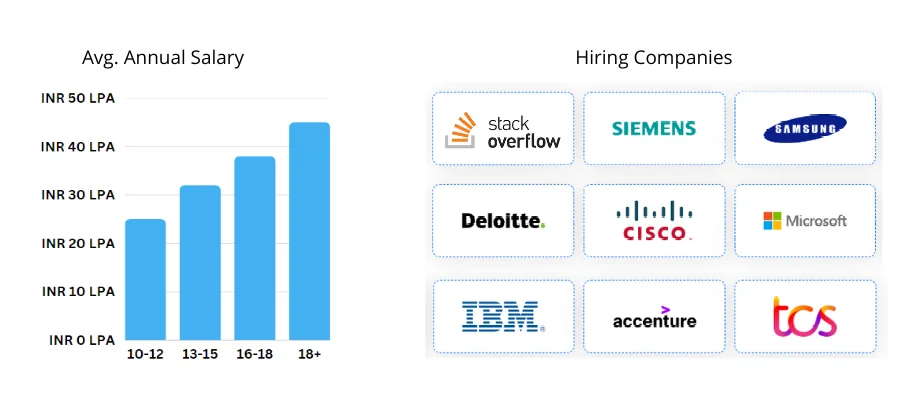
Software Architect are employed by the world's leading companies. Discover the salary and skills of a Software Architect.
Course Curriculum

  • 4 modules
  • 36 lessons
  • 12 live sessions
  1. Module 1 Software Architecture 9 lessons
    • Definition and scope of software architecture.
    • Roles and responsibilities of a software architect.
    • The importance of software architecture in project success.
    • Fundamental design principles (SOLID, DRY, KISS, etc.).
    • Design patterns and anti-patterns.
    • Object-oriented design and functional design paradigms.
    • Overview of common architectural styles (e.g., monolithic, microservices, serverless).
    • Detailed study of architectural patterns (e.g., MVC, MVP, MVVM).
    • Selecting the appropriate style and pattern for a project.
  2. Module 2 Design Data Storage Solutions 9 lessons
    • Techniques for eliciting and analyzing requirements.
    • Translating business needs into technical solutions.
    • Documenting requirements and creating specifications.
    • Architectural diagrams and modeling languages (e.g., UML, BPMN).
    • Effective documentation practices for architecture.
    • Tools for creating architectural representations.
    • Criteria for selecting technologies and frameworks.
    • Balancing current trends with project needs.
    • Conducting trade-off analysis for technology decisions.
  3. Module 3 Code Quality & Security Practices 12 lessons
    • Understanding non-functional requirements (scalability, performance, reliability, security).
    • Strategies for designing to meet quality attributes.
    • Assessing and validating architectural quality.
    • Strategies for evolving and refactoring architectures.
    • Managing technical debt.
    • Planning for long-term maintenance and scalability.
    • Principles of secure design.
    • Addressing compliance and regulatory requirements.
    • Implementing security at the architectural level.
    • Understanding the role of DevOps in software architecture.
    • Designing architectures for continuous integration and delivery.
    • Infrastructure as Code (IaC) and automation in architecture.
  4. Module 4 Trends and Soft Skills 6 lessons
    • Impact of emerging technologies (e.g., cloud computing, AI, IoT) on architecture.
    • Staying current with industry trends.
    • Future-proofing architectural designs.
    • Leadership and communication skills for architects.
    • Effective stakeholder management.
    • Negotiation and decision-making skills.
  • 5 modules
  • 85 videos
  • 7h 49m total
  1. Module 1.NET Software Architecture & System Design 20 videos 1h 14m

    Software Architecture & Design: Fundamentals & Core Concepts

    • Functional and Non-Functional Requirements 0h 26m 05s
    • Architecture Design 0h 03m 54s
    • Architecture Evaluation 0h 10m 11s
    • Architecture Documentation 0h 01m 41s
    • Architecture Implementation 0h 01m 19s

    Software Architecture & Design: Strategic Approaches

    • Strategic Approach For Choosing Technology Stack 0h 04m 24s
    • Strategic Approach For Architecture Selection 0h 02m 43s
    • Strategic Approach For Architecture Selection Design Patterns 0h 01m 48s
    • Strategic Approach For Technology Selection 0h 03m 33s
    • Strategic Approach For Deployment 0h 01m 05s

    Software Architecture & Design: System Models & Networking

    • Centralized, Decentralized and Distributed Systems 0h 03m 39s
    • Distributed System Key Characteristics 0h 00m 49s
    • Load Balancing 0h 02m 41s
    • Forward and Reverse Proxies 0h 01m 28s
    • Web Sockets and Long Pooling 0h 03m 02s
    • Rate Limiting 0h 01m 49s

    Software Architecture & Design: Data Management & Storage

    • Database Sharding 0h 00m 33s
    • Database Partitioning 0h 00m 33s
    • CAP Theorem (Consistency Availability Partition Theorem) 0h 01m 43s
    • Storage and cache 0h 01m 53s
  2. Module 2SOLID : Software Design Principles 11 videos 1h 1m

    SOLID Principles

    • Solid Principles 0h 01m 29s

    SOLID: Single Responsibility Principle

    • Single Responsibility Principle (SRP) 0h 02m 06s
    • Demo: Single Responsibility Principle(SRP) 0h 09m 42s

    SOLID: Open Closed Principle

    • Open Closed Principle (OCP) 0h 03m 23s
    • DEMO: Open/Closed Principle 06m 49s

    SOLID: Liskov Substitution Principle

    • Liskov Substitution Principle (LSP) 0h 01m 43s
    • Demo: Liskov Substitution Principle (LSP) 09m 45s

    SOLID: Interface Segregation Principle

    • Interface Segregation Principle (ISP) 0h 02m 37s
    • Demo: Interface Segregation Principle (ISP) 0h 08m 38s

    SOLID: Dependency Inversion Principle

    • Dependency Inversion Principle (DIP) 04m 00s
    • Demo: Dependency Inversion Principle (DIP) 11m 47s
  3. Module 3Creational Design Patterns 14 videos 1h 24m

    Course Overview

    • Course Overview 01m 41s

    Introduction

    • What is GOF? 00m 58s
    • GOF Design Patterns 01m 20s
    • Creational Design Patterns 01m 03s

    Singleton Pattern

    • Singleton Pattern 01m 31s
    • Demo: Singleton Pattern 08m 36s

    Prototype Pattern

    • Prototype Design Pattern 03m 37s
    • Demo: Prototype Pattern 13m 45s

    Factory Method Pattern

    • Factory Method 06m 18s
    • Demo: Factory Method 09m 41s

    Abstract Factory Pattern

    • Abstract factory 03m 37s
    • Demo: Abstract Factory 10m 32s

    Builder Pattern

    • Builder Pattern 02m 55s
    • Demo: Builder Pattern 18m 37s
  4. Module 4Structural Design Patterns 16 videos 1h 51m

    Course Overview

    • Course Overview 01m 23s
    • Structural Patterns 01m 28s

    Adapter Design pattern

    • Adapter Design pattern 04m 02s
    • Demo: Adapter Design pattern 14m 35s

    Bridge Design pattern

    • Bridge Pattern 05m 10s
    • Demo: Bridge Pattern 07m 31s

    Composite Design pattern

    • Composite Design Pattern 01m 36s
    • Demo: Composite Design Pattern 22m 24s

    Facade Design pattern

    • Facade Design pattern 04m 40s
    • Demo: Facade Design pattern 15m 02s

    Flyweight Design pattern

    • Introduction 05m 00s
    • Use Case 03m 00s

    Proxy Design pattern

    • Proxy Design pattern 03m 16s
    • Demo: Proxy Design pattern 07m 31s

    Decorator Design pattern

    • Decorator Design pattern 04m 15s
    • Demo: Decorator Design pattern 10m 55s
  5. Module 5Behavioural Design Patterns 24 videos 2h 17m

    Course Overview

    • Course Overview 01m 13s
    • Behavioural Design Patterns 00m 58s

    Chain of Responsibility Design pattern

    • Chain of Responsibility Design pattern 02m 01s
    • Demo: Chain of Responsibility Design pattern 13m 01s

    Command Design pattern

    • Command Design pattern 02m 04s
    • Demo : Command Design pattern 11m 36s

    Interpreter Design Pattern

    • Interpreter Design Pattern 01m 15s
    • Demo: Interpreter Design Pattern 07m 04s

    Iterator Design pattern

    • Iterator Design pattern 01m 14s
    • Demo: Iterator Design pattern 10m 41s

    Mediator Design pattern

    • Mediator Design pattern 01m 31s
    • Demo: Mediator Design pattern 10m 53s

    Memento Design pattern

    • Memento Design pattern 01m 24s
    • Demo: Memento Design pattern 10m 40s

    Observer Design pattern

    • Introduction 04m 14s
    • Use Case 01m 12s

    State Design pattern

    • State Design pattern 01m 51s
    • Demo: State Design pattern 26m 04s

    Strategy Design pattern

    • Strategy Design pattern 02m 37s
    • Demo: Strategy Design pattern 07m 47s

    Template Method Design pattern

    • Template Method Design pattern 02m 05s
    • Demo : Template Method Design pattern 03m 56s

    Visitor Design pattern

    • Visitor Design pattern 02m 17s
    • Demo : Visitor Design pattern 09m 28s
  1. 01 .NET Architecture Essentials 0:15:00
  2. 02 SOLID Software Design Principles 0:03:00
  3. 03 Introduction to Software Architecture 0:07:00
  4. 04 Creational Design Patterns 0:02:00
  5. 05 Structural Design Patterns 0:02:45
  6. 06 SOLID & Software Design Principles 0:07:00
  7. 07 Architecture Concepts and Principles 0:09:00
  8. 08 Architectural Patterns and Others 0:07:00
  9. 09 Behavioral Design Patterns 0:03:00
  10. 10 Creational Patterns in System Design 0:13:00
  11. 11 Architecture Documentation 0:05:00
  12. 12 Structural Patterns in System Design 0:17:00
  13. 13 Behavioural Patterns in System Design 0:14:00
  14. 14 Anti Patterns in System Design 0:02:30
  1. 01 Single Responsibility Principle (SRP) – Guided Hands-On Lab 00:30:00
  2. 02 Scalability vs Availability & CAP Simulation 00:30:00
  3. 03 Open-Closed Principle (OCP) – Complete Guided Hands-On Lab 00:30:00
  4. 04 Thread Pool Exhaustion Simulation 00:30:00
  5. 05 Database Sharding and Partitioning Simulation 00:30:00
  6. 06 Smart Notification System Using Factory Method Pattern 00:30:00
  7. 07 Build a Computer Configuration System Using Builder Pattern 00:30:00
  8. 08 Unit of Work & Repository Pattern in .NET 00:30:00
  9. 09 Intermediate Read-Write Replication in DB 00:30:00
  10. 10 Decorator Design Pattern Implementation 00:30:00
  11. 11 Implementing the Flyweight Pattern 00:30:00
  12. 12 Audit Log Viewer 00:30:00
  13. 13 Specification Pattern Implementation 00:30:00
  14. 14 Design a URL Shortener and Pastebin System 00:30:00
  15. 15 Enterprise Notification Sys with Queue & Retry 00:30:00
  16. 16 Change Data Capture (CDC) Simulation 00:30:00
  17. 17 Build .NET File Storage System (Dropbox Clone) 00:30:00
  18. 18 Circuit Breaker Pattern Simulation 00:30:00
  19. 19 Configurable Workflow Engine 00:30:00
  20. 20 SOLID Principles & GoF Patterns in .NET 00:30:00
  21. 21 API Key Authentication & Authorization 00:30:00
  22. 22 Inventory System with Observer & Command 00:30:00
  23. 23 Deadlock & Concurrency Simulation 00:30:00
  24. 24 Composition with Strategy & Adapter Patterns 00:30:00
  25. 25 Builder & Facade Patterns for Object Creation 00:30:00
  26. 26 Dependency Injection Lifetimes 00:30:00
  27. 27 Command & Iterator Pattern for Task Handling 00:30:00
  28. 28 Feature Toggle / Feature Flag System 00:30:00
  29. 29 State & Strategy Patterns for Workflow in C# 00:30:00
  30. 30 User Management Dashboard (API + WPF) 00:30:00
  31. 31 Clean/Onion Architecture with Service Pattern 00:30:00
  32. 32 Event-Driven Architect with Mediator Pattern 00:30:00
  33. 33 Microservices with REST & Proxy Pattern 00:30:00
  34. 34 Idempotency & Retry Mechanism 00:30:00
  35. 35 Idempotent API Design Using ASP.NET Core 00:30:00
  36. 36 In-Memory Configuration Management System 00:30:00
  37. 37 In-Process Event Bus 00:30:00
  38. 38 Middleware Pipeline Execution Order 00:30:00
  39. 39 Monolithic vs Layered Architecture 00:30:00
  40. 40 Multi-Tenant Application (Basic) 00:30:00
  41. 41 Optimistic vs Pessimistic Concurrency 00:30:00
  42. 42 Outbox Pattern (In-Memory) 00:30:00
  43. 43 Rate Limiting using Middleware 00:30:00
  44. 44 Retry Mechanism with Dead Letter Queue 00:30:00
  45. 45 Soft Delete & Audit Logging System 00:30:00
  1. 01 System Design Concepts for .NET Architects 15 questions
  2. 02 SOLID & Software Design Principles 15 questions
  3. 03 SOLID & Software Design Principles 15 questions
  4. 04 Architectural Patterns and Others 15 questions
  5. 05 Creational Patterns in System Design 15 questions
  6. 06 Creational Patterns in System Design 15 questions
  7. 07 Behavioural Patterns in System Design 15 questions
  8. 08 Behavioural Patterns in System Design 15 questions
  9. 09 Structural Patterns in System Design 15 questions
  10. 10 Structural Patterns in System Design 15 questions
  11. 11 Anti Patterns in System Design 15 questions
  12. 12 Anti Patterns in System Design 15 questions
  1. Q&A guideSOLID : Software Design Principles 2 questions
    • Design Patterns and Principles 0:30:00
    • Anti Patterns 0:18:00
  2. Q&A guideCreational Design Patterns 1 questions
    • Creational Design Patterns 0:20:00
  3. Q&A guideStructural Design Patterns 6 questions
    • Structural Design Patterns 0:26:00
    • Patterns of Enterprise Application Architecture 0:20:00
    • Code Organization Patterns 0:12:00
    • Service-Oriented Architecture (SOA) Patterns 0:22:00
    • Integration Patterns 0:11:00
    • Cloud-Native Design Patterns 0:14:00
  4. Q&A guideArchitectural Patterns and System-Level Design 2 questions
    • Architectural Patterns 0:15:00
    • Concurrency Patterns 0:09:00
  5. Q&A guideBehavioural Design Patterns 2 questions
    • Behavioral Design Patterns 0:24:00
    • Domain-Driven Design Patterns 0:24:00

Software Architecture & Design Course Eligibility

Pre-requisites

Everyone interested in taking this course should be familiar with ASP.NET Core development.

Who can Join?

Those who want to work as .NET Software Architect should take the Software Architecture & Design training course since it helps the development team maintain their competency.

OUR ALUMNI WORK AT

Trusted by learners whose careers now thrive at leading companies

Choose Training Options

32% OFF
Live Training

Live, expert-led classes mapped to your certification.

₹20,650 ₹13,999
12 months access to the course
What you get
Live Sessions 12
Skill Tests 12
30% OFF
Corporate Training

Tailored team training for your organization.

₹35,714 ₹24,999
Minimum 5 users
Includes
Live Sessions
Custom Content
Flexible Schedule
Labs & Tests
Real Projects
24x7 LMS Access
Trusted by 2,00,000+ Thought Developers, Tech Leads and Architects

Course Mentors

Shailendra Chauhan
11X MICROSOFT MVP AI ARCHITECT

Shailendra Chauhan

Microsoft MVP, Founder & CEO at ScholarHat

17+ Years of Industry Experience as Mentor & Solution Architect
Expert in .NET, Angular, React & Python
Azure Cloud & AI/ML/Gen AI Specialist
Pradeep Shet

Pradeep Shet

Author and Solution Architect

17+ Years Industry Experience in Development & Training
Full-Stack .NET Mentor & Technology Trainer
Software Architecture, OOP & Design Pattern Practices
.NET 10, Web API, Angular, React, Docker & Azure Cloud
Hands-on Real-Time Project Based Training Approach
Delivered 300+ Corporate & Online Trainings for MNCs
Rahul Kumar

Rahul Kumar

Author and .NET Tech Lead

16+ Years of Industry Experience as .NET Mentor & Tech Lead
Mastery in .NET Development Practices
Lifelong Innovator & Team Inspirer

Frequently Asked Questions

Q1. What is the Azure AI Cloud Sandbox?
The Azure AI Cloud Sandbox is a secure, isolated environment that lets you practice and experiment with Azure AI services without affecting production resources. It provides hands-on access to real Azure AI capabilities in a risk-free setup.
Q2. Can I Attend a Demo Session before Enrolment?
Yes, you can Attend a Demo Session before Enrolment in angular certification course. It gives you the opportunity to assess whether the training program aligns with your learning objectives. So, don't hesitate! Take advantage of this opportunity and attend a demo session before making your decision.
Q3. Can I request for a support session if I need to better understand the topics?
Yes, of course you can request for a support session if you need to better understand the topics. For that, you need to be in touch with the counsellor. Contact on +91- 999 9123 502 or you can mail us at hello@scholarhat.com
Q4. Who are your mentors?
All our mentors are highly qualified and experience professionals. All have at least 8-10 yrs of development experience in various technologies and are trained by ScholarHat to deliver interactive training to the participants.
Q5. What If I miss my online training class?
All online training classes are recorded. You will get the recorded sessions so that you can watch the online classes when you want. Also, you can join other class to do your missing classes.
Q6. Can I share my course with someone else?
In short, no. Check our licensing that you agree to by using ScholarHat LMS. We track this stuff, any abuse of copyright is taken seriously. Thanks for your understanding on this one.
Q7. Do you provide any course material or live session videos?
Yes we do. You will get access to the entire content including class videos, mockups, and assignments through LMS.
Q8. Do you provide training on latest technology version?
Yes we do. As the technology upgrades we do update our content and provide your training on latest version of that technology.
Q9. Do you prepare me for the job interview?
Yes, we do. We will discuss all possible technical interview questions and answers during the training program so that you can prepare yourself for interview.
Q10. Will I get placement assistance after receiving my course completion certificate?
Yes, you’ll get placement assistance after receiving your course completion certificate. The placement assistance provided by the US will guide you through the job search process, help you polish your resume, and connect you with potential employers. For that, you need to be in touch with the counsellor. Contact on +91- 999 9123 502 or you can mail us at hello@scholarhat.com
Still have some questions? Let's discuss.
CONTACT US